A useful room begins with observation. Take what serves you, adapt it to your space, and leave room for the home to change.
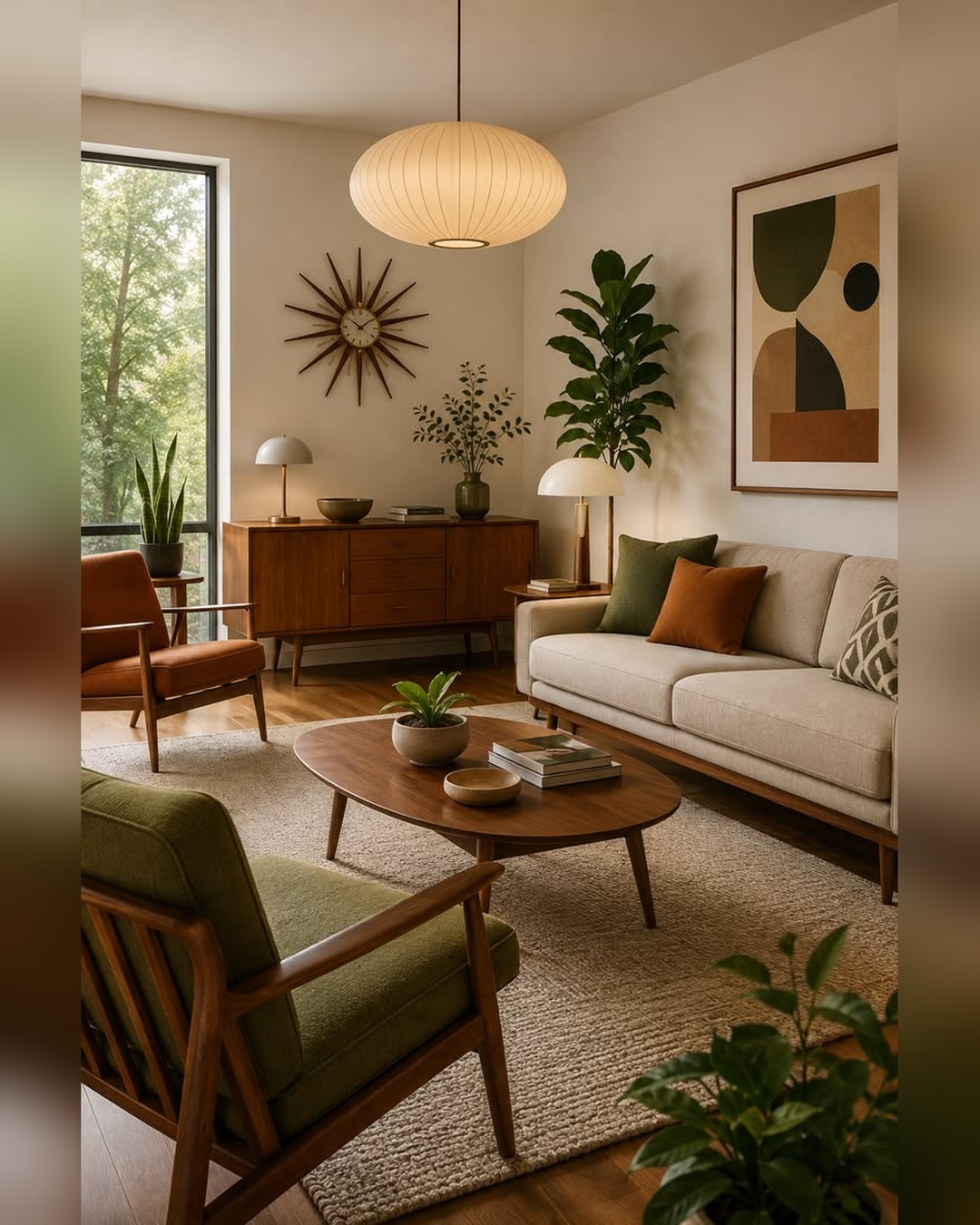
Start with the way you use the room
Before shopping, write down three things the room needs to do. A room used for movie nights needs a different seating arrangement from a room that doubles as a workspace. Decide which activity deserves the most space and which can use a movable piece. This is a planning exercise, not a rule that every room should look alike. Measure the walls, door openings, and furniture you intend to keep. Draw the room from above on paper and mark anything that cannot move: a radiator, a built-in cabinet, or an outlet you rely on. Include the direction each door opens. A clear plan helps you compare options against your own room instead of a retailer photograph.
Test the route before the furniture
Walk from the entrance to each seat and to the places you use frequently. Mark any route that currently depends on squeezing past a table. Try moving the table first, then walk the route again while carrying a laundry basket. This practical test reveals problems a top-down sketch can miss. Mock up a new furniture footprint with paper or another floor-compatible material that will not damage the finish. Use the actual depth, including handles or an extended recliner. Check that doors, drawers, and adjacent cabinets can open. We do not prescribe a universal clearance: household needs and accessible routes require their own checks.
Buy for a job the room is missing
If you need a place for a drink beside a chair, compare side tables by usable top area and reach before choosing a finish. If the problem is clutter, count the items that need a home before buying a cabinet. A smaller piece that cannot hold those items may simply move the clutter elsewhere. For a rug, compare the seating footprint with the rug dimensions rather than using room size alone. IKEA’s rug guide treats furniture placement as part of the sizing decision. Draw two candidate sizes on your plan and check door movement and exposed floor around the edge. This is a starting point for comparison, not a promise that one size will suit every layout.
Your before-you-buy checklist
Keep a note with room dimensions, furniture dimensions, delivery access, floor protection needs, and return conditions. Photograph the existing layout for your own reference. Buy one missing function at a time, then live with the result before adding another piece. For storage furniture, follow the manufacturer’s installation and anti-tip instructions. Freestanding does not mean anchoring is unnecessary. Consult CPSC’s Anchor It resources and obtain any landlord permission needed; do not substitute a styling suggestion for safety instructions.
Compare three layouts on the same plan
For a TV-focused room, draw the seating opposite the screen and mark the route from the entrance to each seat. For a conversation-focused room, compare seats facing one another or arranged around a shared table. For a room that also contains a desk, reserve the desk and chair footprint before adding occasional seating. These are planning alternatives, not tested layouts for a specific home. Keep the furniture dimensions the same across your three sketches. Note which arrangement supports your main activity, which door or drawer needs attention, and which piece could move. A simple decision sheet with these three notes gives you more useful information than selecting a layout by the photograph alone.
Sources & method
This is original editorial planning or inspiration, not a hands-on product test. Styling choices are editorial suggestions. Product-specific instructions and your own measurements take priority. Revision 2; human review pending. General furniture-placement considerations; not product specifications. Source located October 14, 2026; final claim review pending. Furniture anchoring guidance; manufacturer instructions still apply. Source located October 14, 2026; final claim review pending.