A useful room begins with observation. Take what serves you, adapt it to your space, and leave room for the home to change.
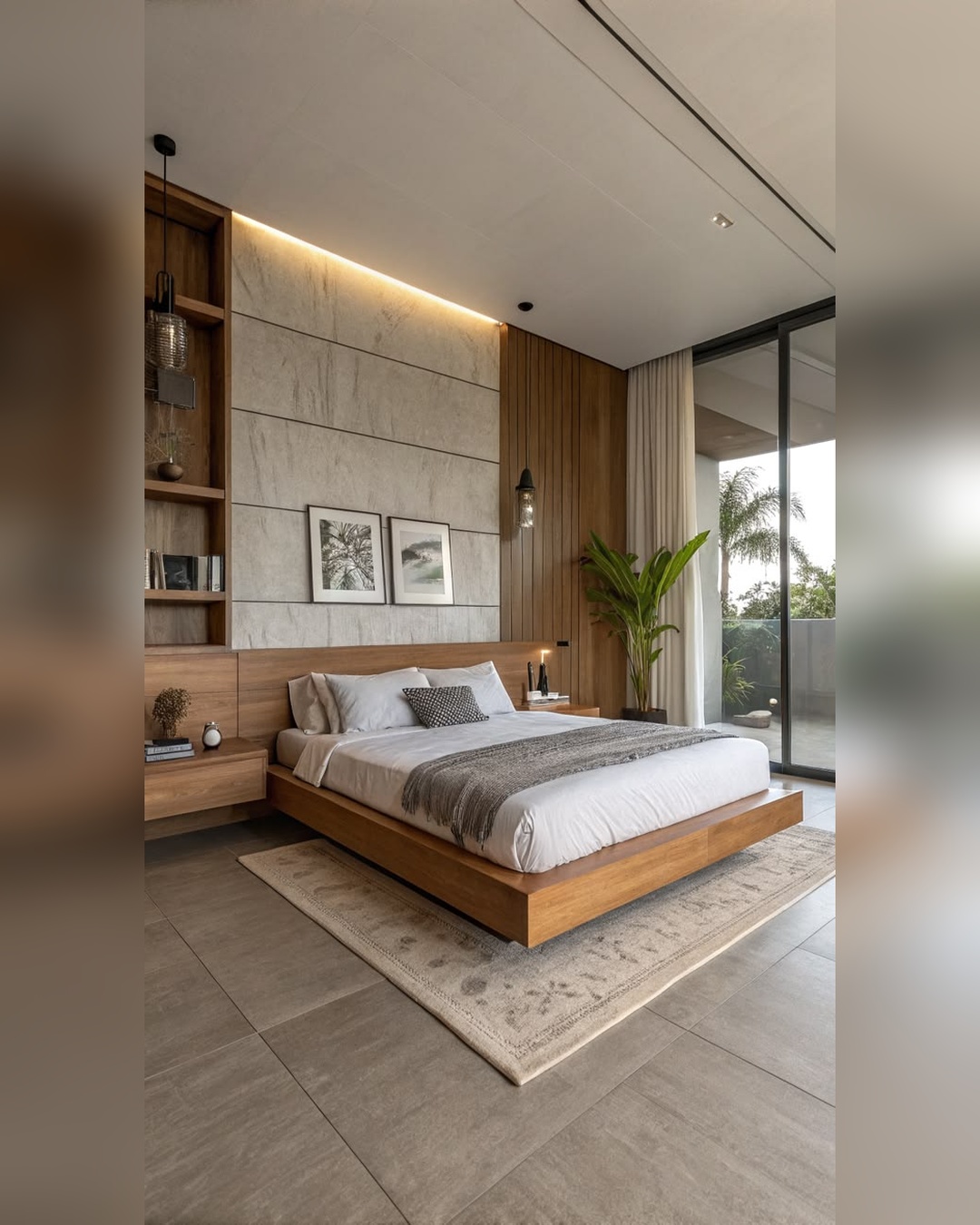
Start with a change you can make your own
A shared bedroom can reflect two people without requiring two identical setups. Begin with the routines each person wants the room to support, then agree on what needs to be shared. These are planning and styling suggestions, not fixed rules for every household.
1. Compare the two bedside routines
Each person can list what they actually use beside the bed. The useful surface area and storage needs may differ. Measure the available space on each side and decide whether matching furniture is necessary. Keep the route around the bed and the opening space of existing drawers in the plan.
2. Share a color family without matching every item
Choose one color or finish that both people enjoy, then allow the smaller accents to differ. Try the combination using pieces already in the room. A shared reference can help you compare options while leaving room for personal objects. Neither person needs to replace a useful item solely to make the sides look identical.
3. Allocate a clear place for personal objects
Decide which surface or storage area belongs to each person and which needs to stay shared. Include everyday objects as well as decorative ones. If one side has less usable space, solve that practical issue before styling it. Do not assume that a symmetrical photograph represents an equitable arrangement.
4. Agree on what can stay visible
Compare the items you each want to see with the items you prefer to put away. Try the arrangement for a normal week before buying additional storage. A display can be personal without occupying a surface the other person needs. Use the room’s actual constraints to guide the compromise.
5. Plan reading or getting-ready accessories individually
A lamp, mirror, or small tray should serve the person using it. Check dimensions, controls, and product instructions rather than choosing solely for a paired appearance. This guide does not establish lighting performance or electrical compatibility; use the manufacturer documentation for the exact item.
6. Revisit the arrangement together
After a few days, identify one point that works well and one that still causes friction. Change that point before adding more decoration. Keep the successful parts of the room and let the layout evolve from real use. A good-looking arrangement should support the routines you agreed on at the start.
Make a simple plan before shopping
Write down the agreed shared areas, individual areas, and any dimensions still needed. Use that note as your buying brief so that a new object addresses a specific need rather than a disagreement about appearance.
Sources & method
This is original editorial planning or inspiration, not a hands-on product test. Styling choices are editorial suggestions. Product-specific instructions and your own measurements take priority. Revision 2; human review pending. These are original styling suggestions. No model-specific product specifications or testing claims are made. Product recommendations require a separate evidence review.