A useful room begins with observation. Take what serves you, adapt it to your space, and leave room for the home to change.
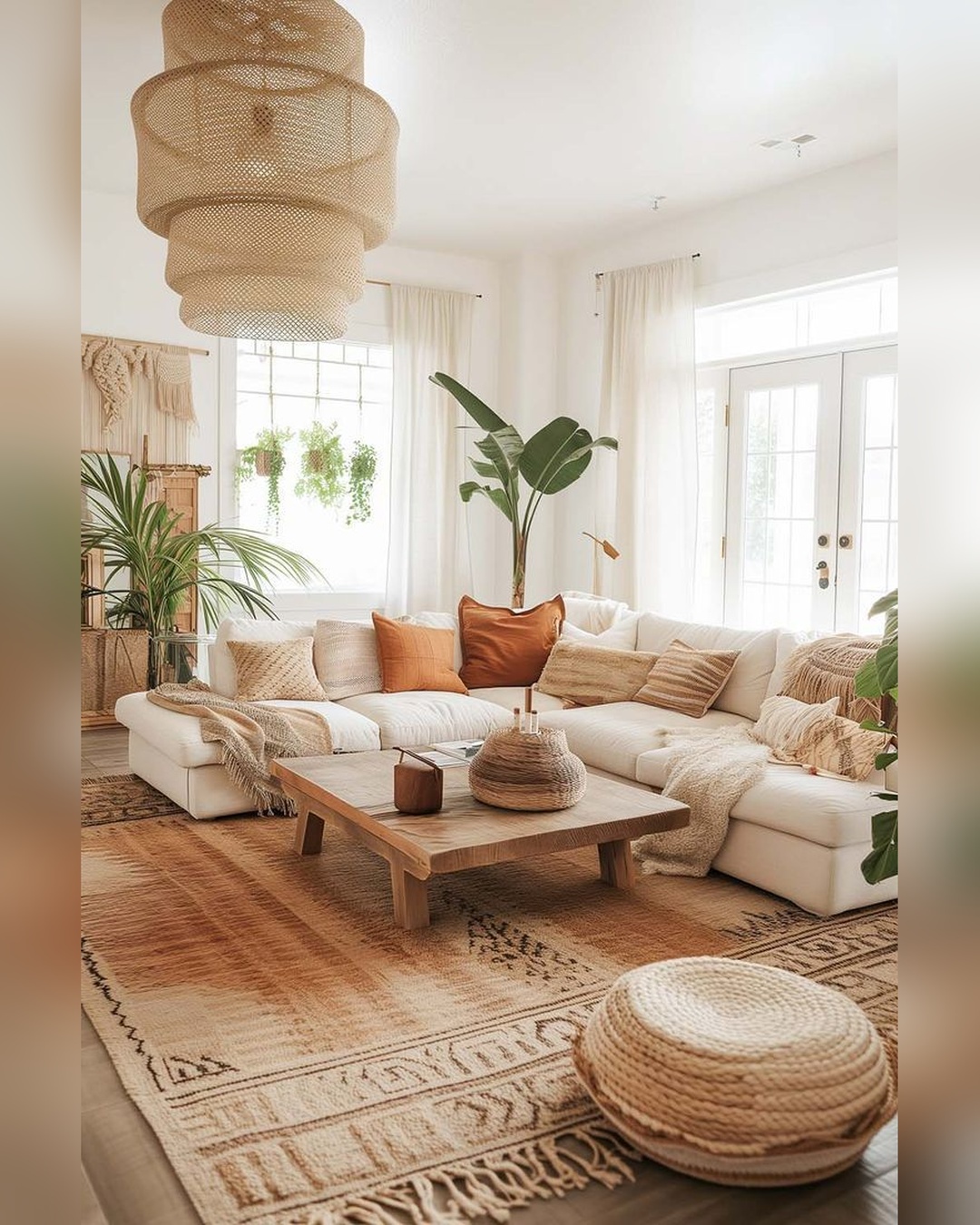
The concept palette
Digital concept colors, not paint matches. Compare real samples in your own room.
Choose an object before choosing a look
A room with neutral furniture can take many directions. Start with a thing you enjoy seeing: a print you own, a textile, or an everyday ceramic bowl. Let that object guide a small experiment rather than selecting a complete new style from a photograph. The palette below is an original digital concept. It is not a paint specification, a photographed project, or a promise of what a retailer item will look like.
Find one color worth repeating
Choose one color in your object that you would like to notice elsewhere. In this concept, a muted terracotta accent sits beside cream, dusty blue, and dark brown. Try your own version using real items before ordering anything. Keep the color choice distinct from the item's function. A cushion should still suit the chair and its intended use; an attractive tray should still leave enough space for the things you put down.
Place the accent where you spend time
Look from the seat you use most often, not only from the doorway or the angle that makes the best photo. Try the object on a nearby surface where it does not interfere with doors, controls, or daily access. If you need an installation to create the effect, stop the removable styling experiment there and plan that separately with the appropriate instructions and permission. You do not need to mount a new item to test a color idea.
Compare two versions of the same corner
Try one version with a single accent and a second with the color repeated on an existing textile or object. Take your own photographs from the same position. Note which version you prefer and whether either creates a practical inconvenience. A photo can help you compare composition. Check the arrangement in person as well; the actual light, texture, and ease of use matter to your decision.
Keep an element that does not match
A favorite object does not have to fit every color in the plan. If you enjoy it and it has a useful place, try keeping it while simplifying something less important. A personal room can include differences. There is no need to replace the furniture, rug, and art together. Select the smallest change that answers your own brief, then live with it before expanding the idea.
Finish with a short plan
Write three lines: the object that stays, the color you want to repeat, and the one function that needs improvement. Add measurements only for the item you might actually purchase. For example: keep the travel print; try a clay-colored removable accent; add a measured place for the books that currently sit on the floor. This creates a specific next step without turning a neutral room into an endless shopping project.
Sources & method
This is original editorial planning or inspiration, not a hands-on product test. Styling choices are editorial suggestions. Product-specific instructions and your own measurements take priority. Revision 2; human review pending. These are original styling suggestions. No model-specific product specifications or testing claims are made. Product recommendations require a separate evidence review.