A useful room begins with observation. Take what serves you, adapt it to your space, and leave room for the home to change.
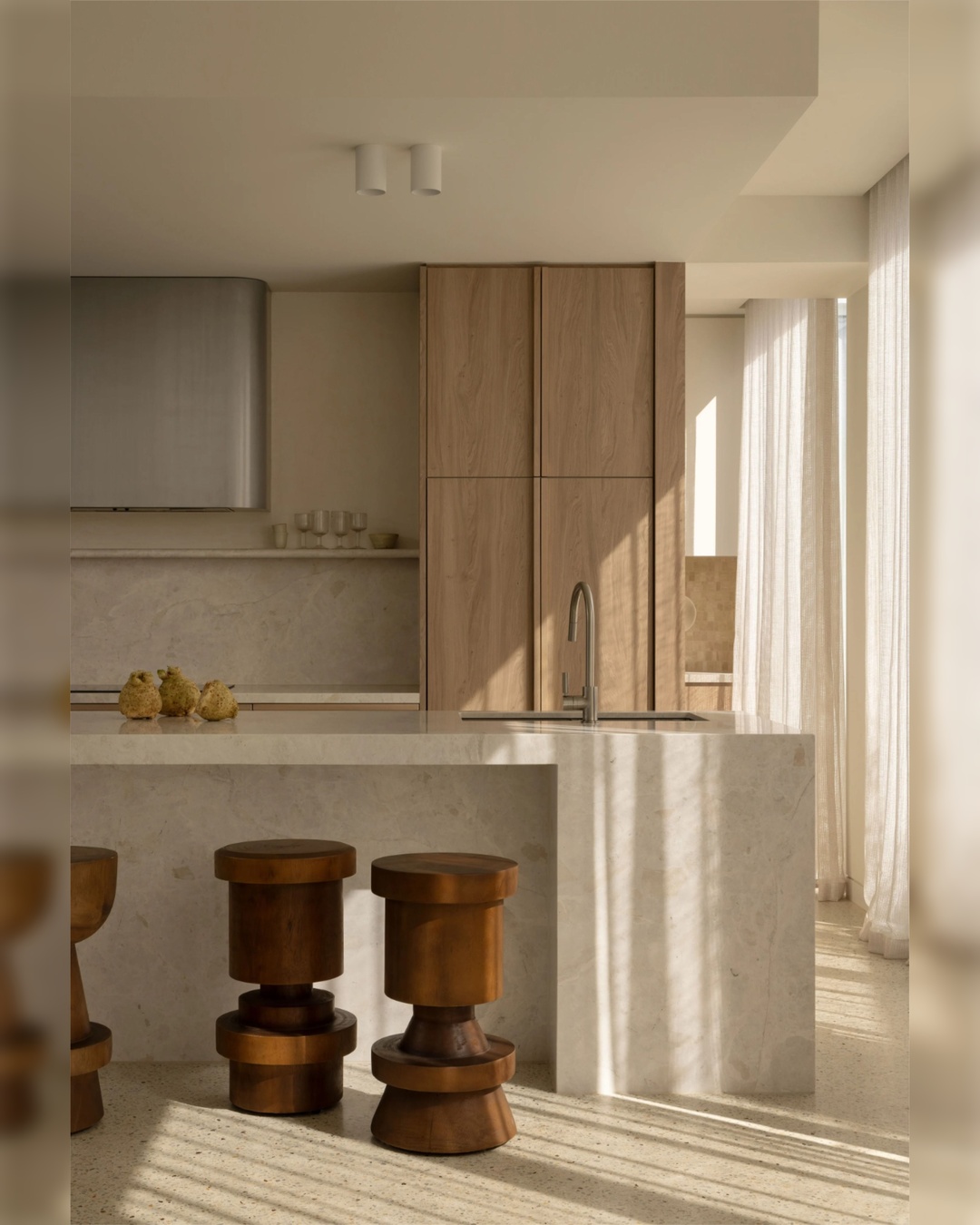
Start with a change you can make your own
A kitchen counter is a working surface first. Start by identifying the area you use most often and keep that area available. The ideas below are small styling choices; they do not cover electrical work, appliance installation, food safety, or kitchen renovation.
1. Style the quiet corner instead of the busiest one
Watch where you prepare food, set down shopping, and move between appliances. Pick another area for a decorative grouping if one is available. Keep the arrangement easy to remove for cleaning and follow the appliance instructions for clearances. If every part of the counter is in daily use, consider displaying something on an existing shelf instead.
2. Group a few everyday items on a measured tray
Measure the objects you actually want to gather before selecting a tray. Check its full dimensions and whether it is easy to lift with the items in place. A tray can define a small grouping, but it can also become another surface to clean. Do not fill it with objects you do not use just to achieve a particular look.
3. Make your mugs the decorative element
Arrange a small number of favorite mugs in an existing storage or serving area. Choose a combination you enjoy seeing together rather than buying a complete new set for display. Keep the remaining mugs in their usual storage. Check the care instructions for the individual pieces and avoid assuming a decorative item is intended for food contact.
4. Compare one color against the existing finishes
Use a tea towel, mug, or other removable accent to explore a color next to the cabinets and counter. Observe it at different times of day. A color suggestion is an editorial preference, not a claim that it will look identical in every kitchen. Use the real item or a sample where possible rather than relying on a photograph.
5. Leave a deliberate patch of empty surface
After arranging a small grouping, remove one optional object and see whether the remaining composition works better for daily use. Empty surface is part of the plan, not a failure to decorate. Avoid placing a decorative object where you routinely need to set something down. Recheck the arrangement when the kitchen is in ordinary use.
6. Keep the update easy to reverse
Begin with objects already in your home and a change you can undo without altering a finish or fitting. If you are considering attached storage or a mounted display, check the lease and manufacturer instructions separately. This guide does not establish a mounting method or load capacity. Keep the first styling project small enough to reassess after a week.
Make a simple plan before shopping
Your shortlist should describe the purpose, usable dimensions, care method, and intended location of any item you might buy. A kitchen styling idea should earn its place in the routine you already have.
Sources & method
This is original editorial planning or inspiration, not a hands-on product test. Styling choices are editorial suggestions. Product-specific instructions and your own measurements take priority. Revision 2; human review pending. These are original styling suggestions. No model-specific product specifications or testing claims are made. Product recommendations require a separate evidence review.