A useful room begins with observation. Take what serves you, adapt it to your space, and leave room for the home to change.
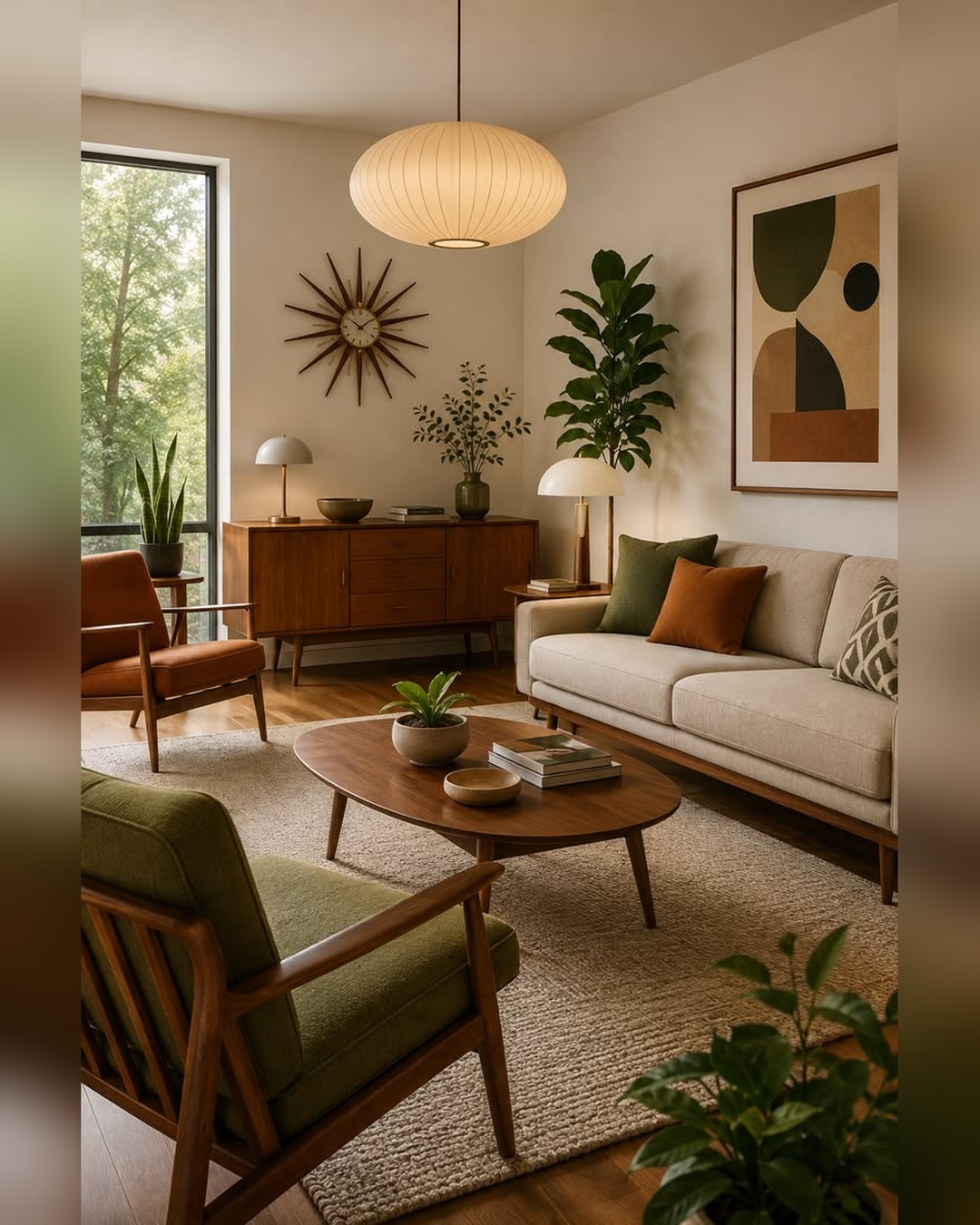
Start with a change you can make your own
Start by asking what the coffee table does on an ordinary evening. You might need room for a drink, a game, or paperwork as well as a decorative arrangement. Try these compositions with things you own and keep the result easy to move.
1. Use one book as a base, then stop
Try one book whose cover you like with a single object beside it. Compare the arrangement with adding another book before deciding which feels more useful. Keep a place to set something down. Do not use a valuable or fragile book in a position that conflicts with how your household uses the table.
2. Let a shallow dish collect small items
Choose a dish or small tray you already own for the objects that usually scatter across the surface. Check that those objects fit and that the grouping can be moved without difficulty. Give the dish a specific purpose rather than adding it solely as decoration. If it becomes a catch-all, edit the contents regularly.
3. Make two zones instead of one central pile
Try keeping a small decorative grouping toward one side while leaving another part of the table clear. Sit in the seats you use most often and see whether either zone gets in the way. The useful division depends on the table and your routine; no fixed styling formula substitutes for that check.
4. Use a low object when conversation is the priority
Compare a small bowl or low ceramic piece with a taller object already in the room. Judge the sightlines from the usual seating positions. This is a visual and practical preference, not a universal height requirement. Keep fragile pieces where they suit your household’s use of the space.
5. Repeat a color from the seating
Choose one accent already present in the cushions or upholstery and try an object in a related shade. You do not need an exact match. Compare the real objects together and consider the texture as well as the color. Avoid ordering multiple new accents before seeing whether the first one adds anything useful.
6. Choose an arrangement you can lift in one move
If the table often becomes a game or work surface, try putting the optional decoration on a tray you can move to an appropriate nearby place. Measure both locations. Make sure the objects sit as intended by their instructions; a tray does not turn a fragile arrangement into a durable one.
7. Leave room for one object with a story
Add a small object that means something to you rather than a collection chosen entirely from a shopping list. Give it enough space to be seen and remove anything that distracts from it. Personal relevance can guide the arrangement without becoming a claim about how other people should style their homes.
Make a simple plan before shopping
After trying an arrangement, use the table normally. Keep the changes that suit the room and return the other objects to their original places before deciding whether to buy something new.
Sources & method
This is original editorial planning or inspiration, not a hands-on product test. Styling choices are editorial suggestions. Product-specific instructions and your own measurements take priority. Revision 2; human review pending. These are original styling suggestions. No model-specific product specifications or testing claims are made. Product recommendations require a separate evidence review.