A useful room begins with observation. Take what serves you, adapt it to your space, and leave room for the home to change.
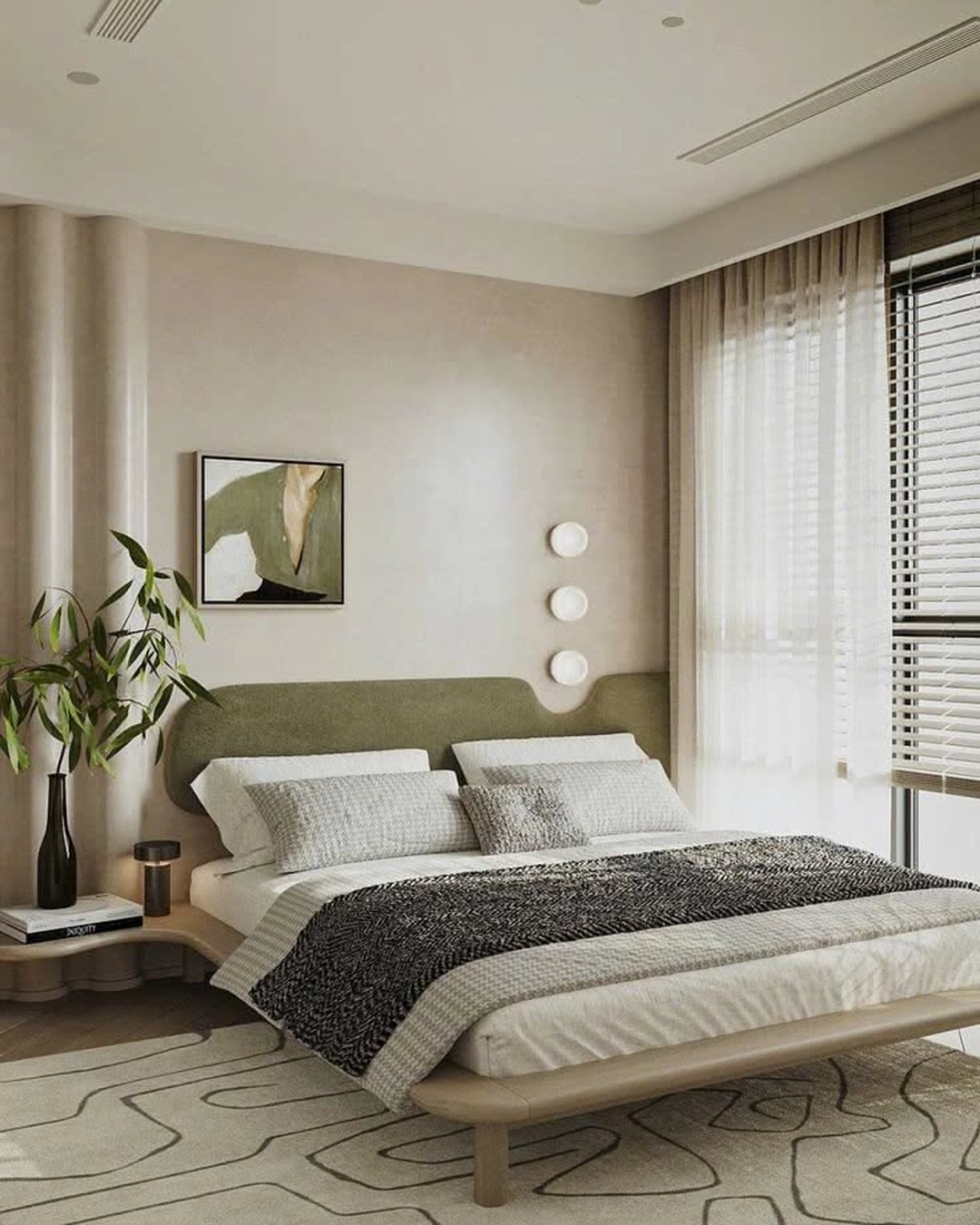
Start with a change you can make your own
You do not need to replace every piece of furniture to give a bedroom a new direction. Pick the corner that bothers you most, work with the pieces you want to keep, and try one of these styling experiments. These are design suggestions, not promises about sleep or wellbeing.
1. Give the bedside surface one clear purpose
Empty the bedside surface and put back the items you genuinely use at night. Decide where the book, glasses, or charger belongs before adding a decorative object. A small dish may help group things, but measure it against the available surface. Leave the space needed to reach lamp controls and open a drawer. The aim is a usable arrangement rather than a photograph-perfect table.
2. Choose a textile you already like as your starting point
Look for a color in an existing quilt, cushion, or curtain that you would enjoy seeing elsewhere. Repeat it in one removable accent before considering a larger purchase. Compare the items together in your room, including under evening lighting. You can stop at that small repetition; there is no need to make every textile match.
3. Try a different way of displaying one personal object
Move one object with a story to a place where you will notice it: a small framed print, a ceramic piece, or a favorite book. Keep the display away from a frequently used surface if it interferes with daily routines. Use the object as a styling reference, not a reason to build an entire themed collection around it.
4. Edit the pillows for your actual routine
Lay out the pillows you own and decide which belong on the bed for use and which are mainly decorative. Try a smaller combination that is easy to move at night. Check cover and insert dimensions before buying a replacement cover. Think about where the decorative pillows will go when the bed is in use.
5. Make a deliberate place for tomorrow’s clothes
If clothes collect on a chair, choose whether that chair should be part of the getting-ready routine or whether another existing storage space can take over. Measure any proposed basket or tray before adding it. Do not buy a new piece just to relocate the same pile without giving it a clear job.
6. Build a softer contrast with one accent
Place a darker or richer accent beside a pale textile and compare the effect. A small cushion or folded cover lets you try a contrast without changing the whole room. These are visual experiments rather than guaranteed color effects. Compare real materials where possible; a screen swatch cannot show texture or the exact finished color.
7. Give an overlooked corner a simple composition
Choose one corner that can accommodate something useful without interrupting movement. Try an existing chair and a nearby surface for a book, or a small grouping on a dresser. Check the footprint and opening space before adding furniture. A corner that needs to stay clear is a valid choice too.
8. Photograph two arrangements for your own comparison
Take a photograph from the same position before and after one change. Use it to judge the balance of objects and empty space, not to claim a documented renovation or product test. Live with the arrangement for a few days before buying anything else. Keep a short note of what improved and what still feels inconvenient.
Make a simple plan before shopping
Choose one idea for this week. Write down the items you already own, any dimensions you need, and the care or installation details to check before purchasing something new.
Sources & method
This is original editorial planning or inspiration, not a hands-on product test. Styling choices are editorial suggestions. Product-specific instructions and your own measurements take priority. Revision 2; human review pending. These are original styling suggestions. No model-specific product specifications or testing claims are made. Product recommendations require a separate evidence review.